
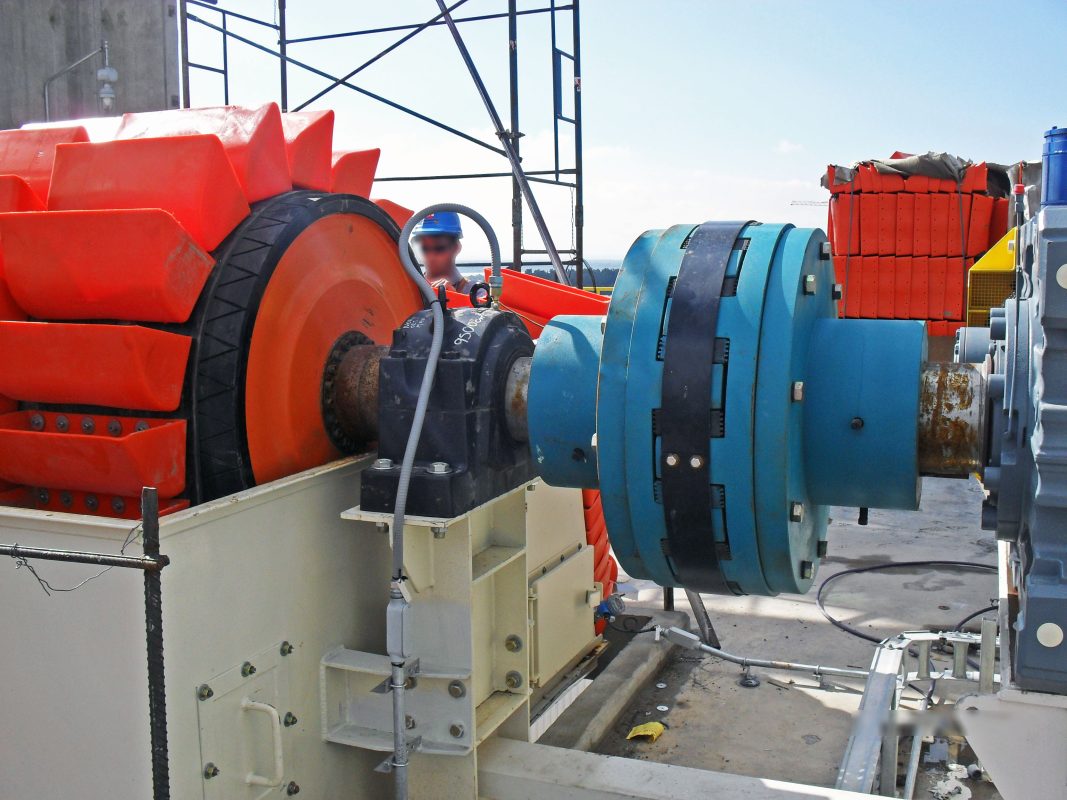
En el mundo industrial, cada componente cuenta cuando se trata de optimizar la eficiencia energética. Desde grandes motores eléctricos hasta complejos sistemas de transmisión de potencia, la clave está en lograr que cada engranaje trabaje con la mayor eficacia posible. En este contexto, los acoplamientos elásticos —también conocidos como acoples elásticos— se posicionan como piezas fundamentales para mejorar el rendimiento, reducir el desgaste y, sobre todo, ahorrar energía.
¿Qué son los acoplamientos elásticos?
Los acoplamientos elásticos son elementos mecánicos que conectan dos ejes giratorios (por ejemplo, el de un motor y el de una bomba), permitiendo la transmisión de potencia de forma eficiente y flexible. A diferencia de los acoplamientos rígidos, los elásticos están diseñados para absorber vibraciones, compensar desalineaciones y reducir impactos.
Estos acoplamientos utilizan elementos flexibles —como tacos de poliuretano u otros materiales elásticos— que permiten cierta deformación controlada, absorbiendo energía mecánica que de otro modo podría dañar componentes o generar pérdidas por fricción.
¿Por qué influyen en la eficiencia energética?
Reducción de vibraciones y choques mecánicos
Una máquina que vibra consume más energía. Los acoplamientos elásticos actúan como amortiguadores, suavizando la transmisión de potencia y disminuyendo las oscilaciones mecánicas. Esto se traduce en un funcionamiento más estable y con menos pérdidas por fricción interna.
Compensación de desalineaciones
En condiciones reales de operación, los ejes de los equipos nunca están perfectamente alineados. Las desalineaciones generan esfuerzos adicionales que incrementan el consumo energético y aceleran el desgaste de rodamientos, sellos y otros componentes. Un buen acople elástico compensa estas desalineaciones sin penalizar la eficiencia.
Protección contra sobrecargas
Los acoples industriales protegen la maquinaria ante picos de carga o par de arranque elevado, evitando que la energía se disipe en forma de calor o deformaciones permanentes.
Menor mantenimiento, mayor tiempo operativo
Al reducir el desgaste de los componentes acoplados, se minimizan las paradas no programadas y los intervalos de mantenimiento. Una máquina que opera de forma continua sin fallas aprovecha mejor cada kilovatio de energía consumido.
Aplicaciones clave en maquinaria pesada
Desde grúas, cintas transportadoras, trituradoras, molinos, hasta compresores y turbinas, los acoplamientos elásticos tienen un papel clave en toda maquinaria que demande alta transmisión de potencia. En entornos industriales donde cada minuto de parada implica costos elevados, la confiabilidad y eficiencia energética se vuelven prioridades estratégicas.
En sistemas con arranques y paradas frecuentes, como en plantas mineras o fábricas de procesamiento, los acoples elásticos amortiguan los golpes de par, alargando la vida útil de los motores eléctricos y de los equipos acoplados.
El rol de la ingeniería detrás del acoplamiento correcto
No todos los acoples industriales son iguales. La selección del modelo adecuado depende de varios factores:
- Potencia del motor
- Par transmitido
- Velocidad de rotación
- Tipo de carga (uniforme, variable, de choque)
- Condiciones ambientales (temperatura, humedad, polvo)
Por eso, más allá del producto en sí, la asesoría técnica especializada es crucial para garantizar una solución verdaderamente eficiente. No se trata solo de “conectar” dos ejes, sino de diseñar una transmisión de potencia optimizada para cada aplicación.
Fundal: soluciones a medida para transmisión de potencia eficiente
En Fundal, entendemos que la eficiencia energética es una necesidad en la industria actual. Por eso, nuestros acoplamientos elásticos industriales están diseñados para maximizar la vida útil de sus equipos, reducir costos operativos y mejorar el desempeño general de los procesos productivos.
Con más de 40 años de experiencia en el sector, ofrecemos soluciones personalizadas, adaptadas a las condiciones específicas de cada cliente. Nuestros productos, como el nuevo acoplamiento FUNDAL FAS NG, incorporan materiales de última generación como tacos de poliuretano de alta resistencia, que aumentan el torque transmitido y reducen el tamaño necesario del acople, optimizando aún más la eficiencia energética del sistema.
Además, brindamos soporte técnico para la selección, instalación y mantenimiento de acoplamientos, asegurando que cada componente funcione en armonía con el resto del sistema.
Conclusión: pequeños cambios, grandes resultados
En un entorno donde los márgenes de eficiencia energética definen la rentabilidad, apostar por un acoplamiento elástico de calidad puede parecer un detalle menor, pero sus beneficios se multiplican a lo largo del tiempo: menor consumo energético, menos fallas, mayor rendimiento.
Los acoples industriales son más que simples conectores: son piezas estratégicas en la optimización de la transmisión de potencia. Si estás buscando una forma inteligente de mejorar tu sistema, quizás sea el momento de revisar qué tipo de acople estás utilizando… y considerar una solución diseñada para el futuro.
